Candace Nassar (00:00.642)
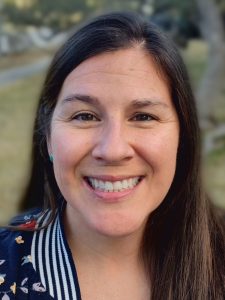
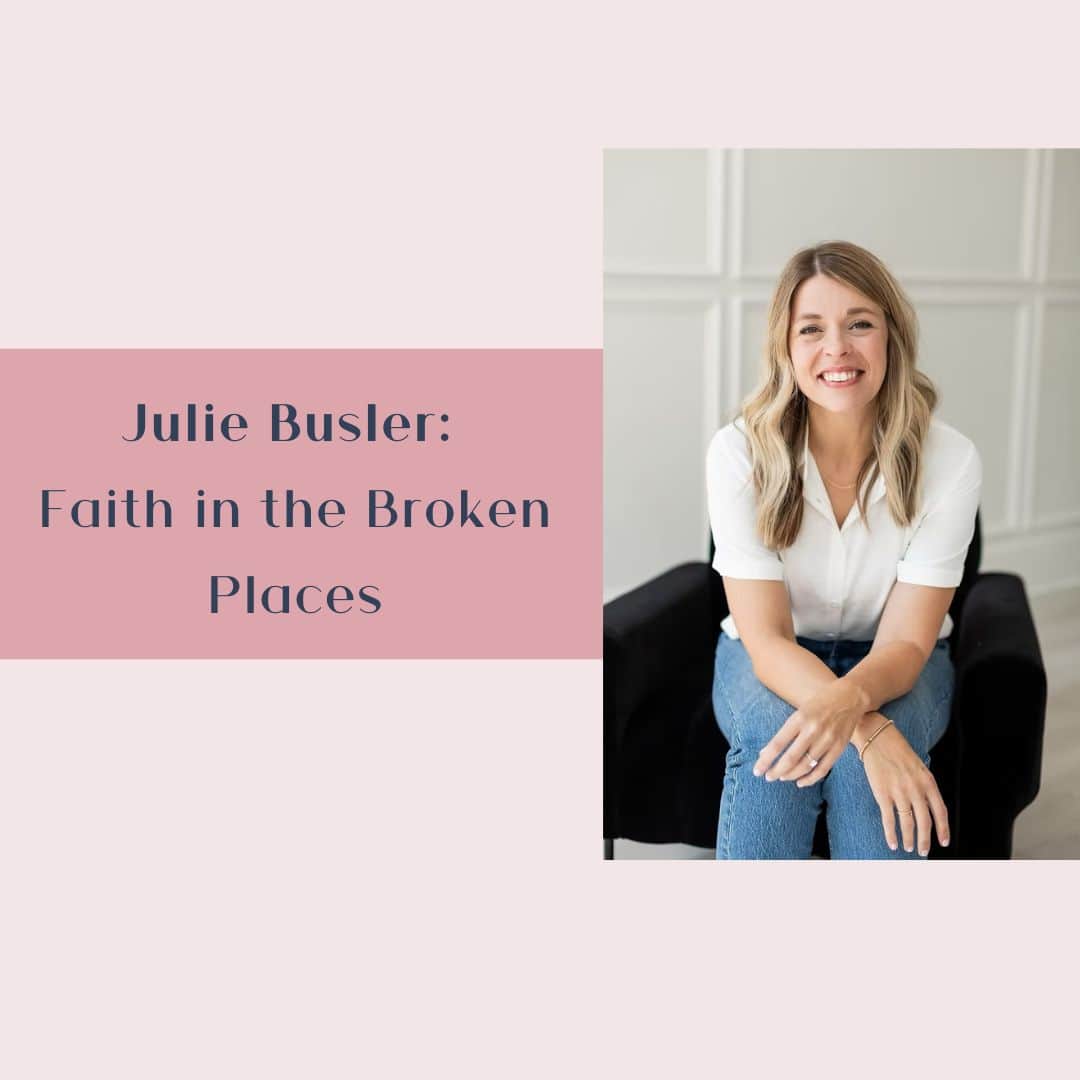
Well, hi there, MomQ family. I am really looking forward to my conversation today with Julie Bussler, author, speaker, and truly extraordinary woman of wisdom that God has given her through some significant struggles that she’s going to share with y’all today. You’re just going to love her heart. So welcome, Julie.
Julie Busler (00:11.48)
you
Julie Busler (00:20.618)
Thank you. I’m so excited for this conversation.
Candace Nassar (00:23.328)
Yes, me too. So tell us a little bit about your family before we dive in.
Julie Busler (00:29.519)
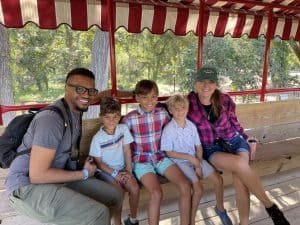
Okay, so we live in Oklahoma. My husband Ryan and I have been married for about 18 years, maybe 19 this summer. It just gets better and it goes so fast. We have four kids, so two girls and two boys. The youngest is nine in third grade, but my oldest is about to go to college in the fall. So I’ve got all the ages and I’m about to enter this new season of launching one, so it’s bittersweet. But we were missionaries overseas for about six years.
Candace Nassar (00:38.126)
Mm.
Candace Nassar (00:55.714)
Mm-hmm.
Julie Busler (00:59.567)
We lived in several different countries, but primarily Turkey, and then some in Germany, like working with Turkish people. But then in 2018, we came back to Oklahoma, where we were originally from, and we’ve just been here ever since.
Candace Nassar (01:14.496)
Okay, great. Yes. And we’re not far from you down in Texas. So, yeah. And I get the whole Oklahoma, Texas rivalry. I’ve come into that recently and it’s very interesting. okay. So we’re going to dive in because we have a lot to talk about. And so right off the cuff, let’s talk about how you lost your mom to cancer and then your father….
Julie Busler (01:24.813)
Yep.
Julie Busler (01:41.871)
Mm-hmm.
Candace Nassar (01:43.64)
to suicide. Those are some really, really heavy things to have to navigate. And you were pretty young when this happened. I mean, you’re young now. So tell us how you navigated that incredible trauma of grief and loss.
Julie Busler (01:59.119)
I didn’t navigate it very well. Like I had to learn later in life, but I think a lot of us don’t know how to navigate tremendous loss and we all have loss. So she was, my mom was diagnosed when I was eight. And so that’s very young. You don’t understand grief. You don’t really understand emotion or death or cancer if no one is telling you about it. And so in my home, I had everything provided financially or physically. So I didn’t really know that something was missing in our home.
Candace Nassar (02:12.642)
Hmm.
Julie Busler (02:27.501)
But there was a lot of emotional neglect, which I did not understand until probably into my 30s. So like, I don’t have any memories really at all of my dad just being like, “Hey, how are you? Or, “I love you and I’m proud of you.” I mean, my mom was like that, but she was very sick my whole childhood from eight on. So that really did, I think, hinder her capacity to fully be present in I think how she wishes she could have been. So I was pretty neglected emotionally. Therefore, I didn’t understand what was going on and I just pushed it all deep down and I became the master at hiding it. I I looked very successful, I put together, was a prom-homecoming queen and ballet and like all these things. You would never know how empty and lonely and insecure and scared I felt inside. So when she died, I was a freshman in college. So like my whole life, she’s just sick, that’s all I know.
Candace Nassar (03:01.251)
Mm.
Julie Busler (03:22.767)
It is having this terminally ill mother. And she was a fantastic mom. She did the best she could, but she was sick. Then I was in Kansas. That’s where I grew up. I went to the University of Oklahoma for college and came back after my freshman year. And I’m just barely 19. And that’s when she passes away. And it was very traumatic. I think it’s always traumatic to lose a parent, but there was no hospice care.
I don’t even know why. I have no one to ask now, but it wasn’t handled in the healthiest way. Like we had the resources for that. So here I am, a brand new 19 year old. We’re trying to help her die and I don’t really realize she’s dying. And so I was at home. It was just terrible. And you walk out of something traumatic as a different person. But I didn’t know the words trauma or depression. That was not in my vocabulary. And why would it be? I was never taught about it.
Candace Nassar (04:07.448)
Sure.
Candace Nassar (04:13.826)
Mm-hmm.
Julie Busler (04:14.049)
I mean, and that was, I mean, it was a different time and things are changing, praise the Lord. But I just did what I knew how to do. So I shove it deep down. And I mean, I really, we are all really good at that. It’s kind of unfortunate how good we are at that. So I just went, she died in June. We buried her in July and come August, I’m back at college and sorority rush and everyone’s smiling and they, some people knew my mom died, but no one knew anything else. Cause I didn’t even know how to tell them. So that’s the story of her.
Candace Nassar (04:25.836)
Mm-hmm.
Julie Busler (04:43.885)
I mean, it was awful. That was losing like the secure attachment in my life-it was her. So I felt very much like an orphan, even though I still had a dad who provided financially for me, there was no emotional help. So in college, I actually became a believer. That was miraculous. My mom took me to church as a little girl, but it wasn’t much more than just go to church and go home. Like I didn’t know the Bible. I didn’t know, we didn’t pray as a family.
So I did become a believer in college. So I started to try and walk like, “God, how do I have hope in you?” But there was no one discipling me. So I did not know. So I really just did not invite God into the grief. I know he was with me looking back, but I was just trying to go forward and survive. So I met my husband in college and he’s this wonderful, godly man and he still is.
Candace Nassar (05:33.891)
Right.
Julie Busler (05:40.227)
He had no idea what I had just been through a few years prior, because I didn’t even know what to tell him. I mean, it’s just shoved down. And before I met him, it’s really when these thoughts started in my own life. And I didn’t even know to label them as suicidal thoughts, because they were so passive. So before I met Ryan, I’m just going to college. And I would think, I wish I could just go to sleep and just not wake up.
Candace Nassar (06:06.424)
Right, that’s.
Julie Busler (06:08.237)
I could get in a car accident and die and I wouldn’t care. And I don’t mean to say that insensitively, but I just, there was no reason for me to live in my mind.
Candace Nassar (06:17.73)
Yeah, you are so weary and shoving all that stuff down takes a lot of energy. Yeah, so I completely get it.
Julie Busler (06:23.053)
Yeah, it does. And there’s help for those types of thoughts. I mean, my goodness, there’s so many resources, but I didn’t know. So I just let those run wild in my mind and didn’t tell a single person. So when I meet him (back to meeting Ryan), all of this is going on. I feel very dark inside, very smiley on the outside. My friends called me “Joyful Julie”. So when you’re called something like Joyful Julie, but you feel darkness and despair, that’s really incongruent. And I did not know what to do with that. I thought I had to live up to this nickname, “Joyful Julie”. And I did have joy in the Lord, but there was so much despair inside. So that almost made it more difficult for me to be honest with what was going on. So Brian and I got married right out of college. We’re in our twenties and I’ve got a one-year-old, a three-year-old, and then I’m pregnant with my third child, a daughter. And that’s when I woke up to news that my dad had taken his life.
Candace Nassar (07:06.04)
Sure.
Julie Busler (07:20.675)
He just died by suicide. But I didn’t even know what to do because I’m pregnant. I’ve got these babies. I’m in my twenties. And then suicide is just a whole different ball game because with cancer, while it was traumatic and shifted my life, I had this box to put it in because people do get sick and they die. But when someone dies by suicide, it’s a different kind of grief. It’s complicated. It’s traumatic.
The survivors like me, and like probably everyone watching this, because we’ve all been touched by it, we’re oftentimes just left reeling. Like what did I miss? So I didn’t know what to do. I just did my default. I pushed it deep down and pretended like I was okay for many years.
Candace Nassar (08:01.39)
Sure. Yeah. And so first of all, I just, I want to just camp out for a second on God’s amazing grace that He found you. You found Him. He pursued you. You became a believer and you had Him to help you walk through this, even though you weren’t quite sure how to do that. You had that and then you would come into that later. So you’re dealing with all this incredible trauma and shoving it down and then you get called to the mission field. So that’s another layer of, I mean, you’re going cross-cultural, leaving what you know. Honestly, I can’t imagine how you had the wherewithal to do it, but you did. So tell us about that when you were over in Turkey and what happened there.
Julie Busler (08:34.84)
You
Julie Busler (08:49.807)
So, yeah, so the story could sound really like, I don’t know, disjointed. Like how do you have these deaths and you’re in despair and then suddenly you’re serving the Lord in Turkey? So this is because God redeems all things. There is no story so broken that He cannot bring good from it. So even though I was still, I mean, somewhat a baby Christian in a way, like I had been reading the Bible for a few years by now. My husband and I are grieving my dad’s death.
Candace Nassar (09:08.557)
Amen.
Julie Busler (09:19.385)
We’re grieving my dad’s death with hope in the Lord in that we know this is awful, but someday God’s going to make all things new and wipe away our tears and that’s joy. And so while we’re grieving that we’re realizing, my goodness, there’s a whole world and people, some of them have never heard the name of Jesus and there are still languages that are not translated. I mean, the Bible’s not in their language for these people groups. So we were like, “Wow.” This created this urgency in us because people are living and dying without hope like right now. So God used my dad’s death to really wake us up. Like, “Okay, we have to go share what we know.” So we did. So we go overseas. My three kids are one, three and five. We leave and I have my fourth overseas, but we were just thrown in and we’re in this country that’s predominantly Muslim. We love the country. Like we learned languages pretty quickly.
Candace Nassar (09:49.71)
Hmm.
Candace Nassar (09:53.846)
Mm-hmm.
Julie Busler (10:16.239)
There’s a fruitful ministry. We love it there. This is my kids home. Like that’s really all they know. They don’t have memories of America. And so yeah, I’m still so good at keeping all of this trauma and despair and really these suicidal thoughts that are still happening, which is very confusing because I love Jesus. I am teaching about Him in another language and yet I don’t want to live. And so that does not go together.
Therefore, it was like paralyzing. Like what do I do with that? So I did nothing and pushed it away.
Candace Nassar (10:48.75)
Hmm. Yeah. And so hold on a second. I lost my train of thought, um, which I can always edit. So, um, yeah. So I was thinking about when you were, um, you miss, Oh, we just don’t know how to grieve, you know, as a culture. And I’m just thinking about how you weren’t taught how to deal with your emotions and you were pushing all that down. And then, um, you’re trying to minister to others without a full cup.
So what did that look like? I mean, was that kind of what brought you to the breaking point?
Julie Busler (11:23.457)
You’re right, like an empty cup, cannot pour from that. So what happened was we were in Turkey when ISIS became mainstream news. And now that I’ve been kind of far removed from that, this sounds like a Netflix movie because I’m just like, what was my life back then? But Turkey borders Syria. And so people would go through Turkey to go join ISIS efforts and then refugees were flooding into Turkey. So that’s a lot of trauma that I’m witnessing, the trauma of others.
Candace Nassar (11:41.55)
Mmm.
Candace Nassar (11:51.259)
Gosh.
Julie Busler (11:52.505)
So this is what’s called secondhand trauma. So I have my own trauma, I have not processed. And then I’m hearing these horrifying stories from our Syrian friends who I love and they’re in our home and they’re talking about having homes bombed. I mean, it’s just stuff we can’t even wrap our minds around if you haven’t been through it. So, then I’m like, “Well, I have no right to complain about losing my parents because I have not had my home bombed.”
And like some of them, their family is still in Syria and they can’t go back and see them. So I started pushing mine further down. Meanwhile, I’m taking on these traumatic conversations and this is creating this compassion fatigue in me where I literally, I kind of start to not care because I am just so burnt out. There’s just nothing left. And what I needed was help with my own mental health so then I could pour into others. So then that would lead to a big breakdown in Turkey finally.
Candace Nassar (12:35.651)
Yeah.
Candace Nassar (12:45.102)
Mm-hmm. Mm-hmm.
So what did that look like, the breakdown in Turkey?
Julie Busler (12:53.711)
Yeah, it was really dramatic. Like I think it’d be a good movie, but going through it was awful. So my mother-in-law came to visit us in 2018 and we loved having visitors. Like you’re kind of isolated as a missionary and she’s bringing all these American snacks for my kids. And like, they don’t know what a pop tart is. And I would never buy a pop tart now, but when you’re not in America, you’re like, “This is America. It’s gold.” So, anyway, they are so excited about getting all of her treats and I see their joy and I recognize that I feel literally nothing inside. Like it’s dead. Now I recognize that to be a sign or a symptom of trauma, what I’ve been through, but I didn’t know that. I just felt like there’s no more. I’m just dead inside. So that’s when this intrusive thought popped in my mind. I don’t believe I could control the thought coming in.
Candace Nassar (13:36.728)
Mm-hmm.
Julie Busler (13:44.441)
But I have learned through therapy what to do with the thought and what through the word of God, like how to handle that now, but then I didn’t know. And this thought was, “Okay, now’s a good time. I’m just gonna end my life. She’s here and she can help my husband and my kids.” So hearing that now just, it would have been the biggest mistake of my life. But at the time I had blinders on my eyes. I could not see a future where God could do what He’s done in my life now.
Where there is joy, I delight in seeing Him use my suffering for good. But then it’s not that I was selfish per se, it’s that I literally thought that was the right and loving choice. Like I’m the burden on my family, depression, trauma, all of these things, really warped reality. So my reality was this is the courageous thing to do and it’s a lie from the enemy, from the pits of hell.
Candace Nassar (14:14.254)
Gosh.
Candace Nassar (14:33.176)
Sure.
Candace Nassar (14:38.784)
Absolutely, absolutely.
Julie Busler (14:43.587)
But even believers who love the Lord, live with fallen minds and fallen bodies and we can, you know, fall to that deception. And I did. And so I made this plan and then, praise the Lord, I didn’t carry it out. And it wasn’t some like “aha moment”. Someone walked in on me. It’s just that I didn’t do it. And looking back, I mean, the spirit is in me. God, God was there. And so I have to believe something in me stopped. So I did. And then I felt like a failure. I was embarrassed. Like this, this is so messed up.
Candace Nassar (15:07.566)
Mm.
Julie Busler (15:13.335)
A lot of us get this. So then I’m like, “I’m a failure.” I can’t do that right. And so my husband, eventually, I told him enough, just enough, because I realized I’m not gonna survive if I don’t do something because I was caught. Like I know that my family needs me. I know this is not the right choice, but I want this choice. So I thought if I don’t tell someone, I’m not going to survive this. So I told him just enough for him to make an appointment with a psychiatrist in Turkey.
Candace Nassar (15:15.714)
Mm-hmm. Mm-hmm.
Candace Nassar (15:43.318)
And that’s where it began. So, and then the psychiatrist started talking to you about different options for treatment. Is that correct?
Julie Busler (15:45.294)
Yeah.
Julie Busler (15:53.367)
Yeah, so this was it was still so difficult because we’re in a foreign country and she’s, you know, presumably a Muslim and I still love other people. I want them to know of the freedom and hope of Christ. So, I go to this appointment and they hand me a clipboard and they want me to give my symptoms and whenever it says do you feel worthless? It was like a crisis of faith because I thought, “Okay. I really do feel worthless.”
Candace Nassar (15:57.88)
Right.
Julie Busler (16:20.899)
“But if I’m honest, how will I share Jesus with this Muslim doctor?” So, I’m still so focused on what I’m doing for God, but I’m neglecting all this help I need. So I answered honestly. I was so defeated. And I recognized at that moment, seeing the other patients in the waiting room who were all Turkish. I just thought, “I’m just as broken as these people I came to reach.” I’m no better. I’m not on this pedestal.
Candace Nassar (16:25.304)
Mm-hmm.
Julie Busler (16:49.551)
It doesn’t matter what race, religion, how much money you have. We are all human, we all need help. So that realization, God had to humble me, because I’m still like, I just, I needed humbling, I needed help. So, I started talking to the psychiatrist, and at this point I didn’t know, is it okay to take medicine? I really did not have, like these are my beliefs on the situation with mental health, but she saw that I was in so much danger that she hospitalized me in a psychiatric hospital in Turkey, which was as bad as you can imagine it was.
Candace Nassar (17:19.182)
I heard that you did not get to have a Bible in there.
Julie Busler (17:23.021)
I didn’t. And you know, I’m in Oklahoma, you’re in Texas. There’s churches on every corner, you know, basically. So I never ever dreamed I would be literally without access. It’s not just that I didn’t have one, like they wouldn’t let me have one. While my roommate had the Quran, which is their holy book in Islam. And so she could read hers, but I couldn’t. And so I’m like, “Wow, we don’t know in God’s plan for our lives when we won’t have access to the word.”
Candace Nassar (17:36.941)
Right.
Julie Busler (17:52.601)
I mean, we’re not promised access, but here’s the deal- when we read it, even if like today I read it and I’m like, “Okay, that was okay.” I don’t really feel like there is some connection to that scripture. We have no idea how someday in the future, the Spirit, that’s all the Bible I have. And the Spirit will bring that back to mind. And that is how we are sustained. And so we cannot neglect just the freedom we have at this time in our country to read the Bible.
Candace Nassar (18:17.548)
Yeah, we take that so for granted. I love that part of your story because I just think about how you were able to call to mind, I’m sure maybe some verses you’d memorized or, just like you said, things you’d read and God was able to give you that comfort through the Holy spirit and get you through it. And you were in there for several months, correct? Okay. Three weeks. Yeah. Long, long time. Yeah.
Julie Busler (18:34.903)
It was three weeks. It felt like several months, but it’s okay. It’s okay. It was three weeks. And here’s the beauty of this, what you said, because I don’t really remember a whole lot from that time in the hospital because the doctors decided to do electroconvulsive therapy. Like we say, like shock therapy on my brain without my consent. And that was like never the first go-to in the United States.
Candace Nassar (18:54.315)
Mm-hmm. Ooh.
Julie Busler (19:02.209)
It would erase my memory when I would wake up. I wouldn’t know why I’m there, what was happening to me. And so I’m in this hospital without a Bible having my brain shocked. At one point, another patient, I do remember this, held me down to try and get me to convert to Islam. And so all of this is happening, but God is so good because God, I felt later when I came out, I found a little piece of paper in like my notes that like all my, I don’t know, papers to discharge.
I had written different women’s names and next to the names at some point I wrote what I had shared about Jesus with them. And so I’m the most broken vessel ever. But even in the darkness of this psychiatric hospital, the Lord was using me because He’s inside of me. And so anyone who’s like, “I’m too broken, God can’t use me.” I don’t even know what I said, but it was enough for that girl to tackle me to get me to convert to her religion. But God can use anyone anywhere.
Candace Nassar (20:01.646)
Wow, and I think about the spiritual warfare that was going on there too. That’s a whole other conversation that we could have one day. But I do, I just love how God uses suffering in our lives and we can’t see it in the moment, but He always has a plan in it if we lean into it. And, that’s what you’re saying. So let’s talk about how many Christians feel a lot of guilt admitting that they have problems with anxiety and depression.
Julie Busler (20:31.023)
Mm-hmm.
Candace Nassar (20:31.686)
I have, I’ve experienced that where I’ve had people say to me, “Well, you’re just not praying enough.” Because I suffer as well. And, and, you know, I’m, I’m healed. but, and I’ve had people tell me that, you know, medicine is of the devil and things like that. So, the stigma of, in the lie of lacking faith can be a real burden. I do see that changing. You, you mentioned that earlier and I praise God for that. but I know that a friend,
Julie Busler (20:46.99)
Yeah
Julie Busler (20:57.476)
Yeah.
Candace Nassar (21:01.634)
was vulnerable with you. I heard you talk about that and how that enabled you to share, encouraged you to share about your struggles. Can you tell us about that?
Julie Busler (21:11.117)
Yeah, so I said earlier that I told my husband, but there was a little step before that as I did tell another friend and she, she was a little bit older than me. So she has more experience and she’s very wise. And I just, I really admired her faith because she had told me a little bit about some trauma that she had been through. And the first of all, I was like, “Wow, she’s talking about trauma.” And then she would just say like real casually, cause it was just part of her, how God had worked through that. And so I’m thinking, “Okay, she’s been broken, she’s been through some really horrible things, but she’s still walking in this wholeness.” I mean, obviously there’s going to still be like the effects of trauma on our brains on earth, but there’s this sense of wholeness about her that I did not have. And so that made her a safe person. And I didn’t understand all this back then, but looking back in hindsight, that made her safe and she was relatable. So I had this idea that if I moved to Turkey, for instance, and I look happy and have it all together, someone’s going to want to worship my God, the one true God, but that’s really false because perfection is absolutely pretend for us. It’s not real. And in this world of social media where some of these filters look so realistic, I mean, we don’t even know what reality is online. So perfection is just, no one’s gonna come to you if they think you’re perfect, if they’re struggling, because you can’t relate to them and it’s just unattainable. And so I’ve learned through this whole process that God uses us from our most broken places, finding healing in Him. And yes, therapy, medicine, those are great gifts we can talk about, but all of it finds healing in Jesus as well, first and foremost. So I think that the more we can embrace our weakness and talk about it in a way and just say, “God is still helping me.” That still gives him glory. And that’s going to relate to other people and their brokenness.
Candace Nassar (22:37.901)
Amen.
Candace Nassar (23:00.248)
Yeah, I love that so much. When we’re vulnerable and share how God has worked in our lives, people can hear that and then they want to share because that’s where the healing begins, right? So, okay, so let’s talk about, you mentioned this just a little bit, thoughts versus feelings and how God’s Word helped you through that. Can you share that?
Julie Busler (23:04.495)
Mm-hmm.
Julie Busler (23:20.207)
Hmm
Julie Busler (23:25.539)
Yeah, so I learned this actually in therapy and like you said, I had the idea that I don’t need therapy or medicine if I have Jesus, but I’ve really learned that, you know, Jesus is always enough for salvation and he can take away everything, every struggle in my mind like that. But sometimes he uses things like medicine and therapy. And so in therapy, I’m so grateful for this. I went in there and I realized one day, I literally don’t know the difference between a thought and a feeling.
And that sounds kind of silly, but once the therapist explained it, I was like, maybe that’s why I don’t know how to really take my thoughts captive. So he said that like a thought is like a string of words, but a feeling is typically one word. So I would say it in my mind, like, “I feel like nobody loves me.” So I’m thinking that’s a feeling because I inserted the word feel. “I feel like nobody loves me.” And so I wasn’t taking that captive because I’m thinking I just feel this, it’s okay. But he was like, no, really the thought is, “Nobody loves me.” The feeling is probably lonely or sad or, you know, I don’t know, angry. And so once I started to kind of dissect that and think, “Okay, a feeling like sadness is not sinful. God created emotion. I shouldn’t have this.” It shouldn’t be in charge of us, but it can indicate something and it’s a good gift. So sadness, I can sit in, emotions fluctuate, that will eventually lift.
Candace Nassar (24:40.206)
That’s right.
Julie Busler (24:51.427)
Now the thought is, nobody loves me. Well, let’s take that now to scripture. What does scripture, I mean scripture all over, God is love. And so that’s really like how therapy, and this is just like a secular therapist, how therapy taught me to dissect those two things. And then the word of God is what taught me what to do with Him.
Candace Nassar (25:09.74)
Yeah, that’s so good. And I also have recently been in some therapy and learning about attachment theory. And I know you did mention that either earlier today or in something else that I listened to from you. I love really, I’ve learned and I’ve grown in, I’ve been married 33 years and this attachment theory is really helping my husband and I communicate better and learning that places that we come from, we all bring stuff into our relationships, right? So I believe that therapy is a gift of, it’s really discipleship. Now, my therapist is a Christian and the therapy, the stuff that we’re going through is from a Christian perspective, but it’s so rich to be able to unpack all of those things with someone who knows the Lord and then also has that special training. So I think that’s what you’re talking about, right?
Julie Busler (26:05.007)
It is, and so now my therapist, she’s a believer, and I mean, there’s a definite richness in that that I can’t even describe what a gift that is. But like attachment theory, like my second book that comes out in the fall heavily is on attachment, so I’m so excited about that. But I had never heard of that, and clearly there’s attachment issues. I’m very insecure in relationships because of my dad. I didn’t even know to Google that. I didn’t know the term “attachment” so she could see that in me and help me understand why my behavior is a certain way. And then together, she prays with me, we talk about what scripture says. So yeah, it’s like what you’re saying, it’s a beautiful combination.
Candace Nassar (26:37.432)
Mm-hmm.
Candace Nassar (26:43.608)
Yeah, I can’t wait to read that book. I know it’s going to be really good from all that you’ve been through and just learning to unbury all those emotions has to have been, I mean, it’s a hard process. I mean, let’s get real. It’s hard. It’s really hard, but it’s worth it because when you can come out on the other side, now you really can pour into others from a place of fullness. You can allow the Lord to. He has healed you and He can sustain you. And not to say that some of these things are not always going to be with you, but you know how to deal with them.
Julie Busler (27:16.015)
But like what you said is that’s so good because I think sometimes people see me and they’re like, she’s writing books and she’s speaking and and what you’re seeing is true joy and so I have had people say, “So you don’t ever have a thought, like a suicidal thought?” I’m not suicidal, but that’s an old pathway, in my 20 years, that was my go-to so it would be kind of ridiculous to say l a thought never comes. I am oftentimes telling people, “No, I actually still struggle. I still go to the therapist, once a week. I still see a psychiatrist and I’m safe and I’m thriving.” But in my story, it hasn’t been like an immediate healing. And I think when God heals someone and takes away the depression or whatever, it is miraculous and people will see Him. But whenever God chooses to allow you to continue to have the story in your flesh, like Paul. Paul had this problem that he begged God to take away and God did not take it away. He said, my grace is sufficient.
Candace Nassar (28:06.062)
Hmm.
Julie Busler (28:15.267)
And I think that’s because when we see the Sustainer, that also brings people to Him. So my story is more one of, still struggling. And like you said, I’ve got coping skills now, which is life-giving. But if I’m not vigilant, I mean, I can tumble back, sorry. I can tumble right back into that.
Candace Nassar (28:31.352)
Yeah, that makes sense and I experienced that myself. So thank you for sharing that. So let’s talk as we begin to wrap this up because I could talk to you all day, but we have to start wrapping it up. So how do you talk to your kids? I mean, you’ve got one that’s 18 that’s gonna be heading into college. That’s a tough time, lots of transition. How do you talk to them? How do you strengthen their mental health or help them do that?
Julie Busler (28:34.799)
Yeah.
Julie Busler (28:51.279)
Hmm.
Julie Busler (28:57.837)
Yeah, and this is a great question and I’m always learning. Unfortunately, this started very young for me in a way that was really sad because all of them had to ask me, where’s our grandpa? And he died by suicide. And so that brought that conversation really young into our lives. But it showed me that these hard conversations we can have with our kids. And I think with suicide specifically, like I’ll talk about all of mental health, but suicide, really, that is the second leading cause of death for ages 10, I think to 14. You see different ones, but 10 is the age that they’re saying-second leading cause of death. And we can be really afraid to bring these conversations up about suicide. It’s awkward, it’s painful. You want to preserve their innocence. But my kids had a classmate in seventh grade die that way. And so if we aren’t having conversations and it’s saying, hey, like my youngest is named Abel.
Candace Nassar (29:48.152)
Mmm.
Julie Busler (29:53.667)
“So Abel,” I’ll say, “Abel, if there’s ever a problem, like if someone’s mean to you and you feel like there’s no one to help you or that it will never get better, come to me. There’s always a solution we can find because it’s this thought of it’ll never get better. It’s always gonna be this way.” And if your child doesn’t feel safe to talk to you about these difficult things, that will keep going. And that leads to despair and possibly death, as dramatic as that sounds.
I didn’t really know how to start these conversations young. It just happened because they would ask about their grandpa and I’m a big one-give them just enough information. I don’t give them all these details. It’s not age appropriate, but I’m honest. Then, we’ve just gone from there, it’s grown into becoming a normal conversation-just at our home, like, you know, “How are you today?” Or, and I kind of ask about how they are and simply asking how someone is, is huge. Like I was not asked how I was. So that seems so basic.
But that step one is simply just listening to your child. But then I try not to be too preachy. I try to interject it kind of, I mean, I’ve got like three teenagers, like, you know. So like, for instance, in therapy, I’ve learned to recognize these distorted thought patterns. And I mentioned one a minute ago, like using always and never. It’s like if my child comes home and she’s like, “Ugh, everyone hates me. It’s always going to be this bad.” I try not to be like, that’s a cognitive distortion.
Candace Nassar (30:57.794)
Right, yep.
Julie Busler (31:17.391)
I try to say, “Oh, you know, try and cast some hope there because it’s not always gonna be that way.” So the more I personally learn in therapy and get myself healthy, the more that naturally and just organically can shape my children and make them healthier or give them, at least, the tools to be healthier and recognize some of these faulty thoughts that lead us astray.
Candace Nassar (31:39.33)
I love that. And you know, I think about just, I heard recently that when we just say these things and we get them out, you know, or journal them or whatever it is, that’s a big part of that helps, that helps us heal or helps the thought just seem like that’s not realistic or whatever. So it’s, I think it’s really important that we allow our kids to say those things and we don’t freak out. Right?
Julie Busler (32:03.597)
Yeah, that’s huge. Yeah, I didn’t mean to cut you off. I got so excited because that is what a woman did to me when I first came back from Turkey and she was like a mentor to me. And I noticed that nothing I said would shock her and maybe did inside, but she did not react. And then slowly I got more comfortable because when we bring darkness into light, that’s when healing begins, like you’re saying.
Candace Nassar (32:06.669)
Mm-hmm.
Candace Nassar (32:29.992)
Amen. So good. So good. Gosh, well, is there any last piece of advice that you would leave with maybe a mom that’s struggling or has a kid struggling. Just something that you would give just a nugget of wisdom?
Julie Busler (32:45.519)
Yeah, so back to the kids. I have two. Back to the kids, another mom said to me one time, if you listen to the small things, they’ll tell you the big things. And so I think when we can be intentional and say, “Hey, you wanna like get a Coke or something/” And just listen to their day. The more that that bond is formed of you listening, like I have to put my phone down, like that’s hard for us to listen, then that’s building like the foundation for them to come to you with the big problems. So that’s a big thing I try and practice.
Candace Nassar (32:55.182)
Mm-hmm.
Julie Busler (33:14.989)
But just in general, we should not worry about getting help. Like there’s so much help available and I can really be afraid or anxious. Just not to minimize what’s going on. But the longer we wait, the more serious it becomes. And so, I mean, there, you can talk to your doctor, you can talk to a pastor, you can call a therapist, there’s a psychiatrist. There’s so many levels of that. For me, I started with simply telling a friend. Like I did not know how to get help until I told a friend who then said, “Okay, let’s figure this out together.” And so being able to do that for yourself, but then also just inviting your kid to say, “Hey, if you ever need help, like I can help you.” Just putting that out there, like in the back of their mind. I think knowing that help is available, helps us not just fall into there’s no more help for me.
Candace Nassar (34:03.978)
Mm-hmm. Great advice. Gosh, Julie, well, thank you so much. This has been amazing. Thank you for sharing your heart and your story. You’re so courageous. And I just love how God has done and is still doing so much through you and through your story. So thank you for being on our show today. And how can we, I know you have a current book out called Joyful Sorrow, where you tell your story and then you’ve got one coming. When is that coming out?
Julie Busler (34:12.239)
Thank you.
Julie Busler (34:27.726)
Yes.
Okay, so September it’s going to be released with LifeWay, but it’s ready for pre-order. It’s called Hopeful Sorrow. So this one is about how to turn to God in hope when childhood wounds really have us turning away from Him. So it focuses on childhood wounds and grief. So you can get both of them on Amazon. I mean, the first one has already been out for a few years. It’s on Audible, Kindle, all those places. People can connect with me on my website, juliebustler.com.
or on Instagram or Facebook, it’s just @ Julie Bustler. And then, yeah, that’s it.
Candace Nassar (35:03.438)
Great, we’ll put all that in our show notes. So thank you dear, you have a blessed day and God bless.
Julie Busler (35:10.681)
Thank you.